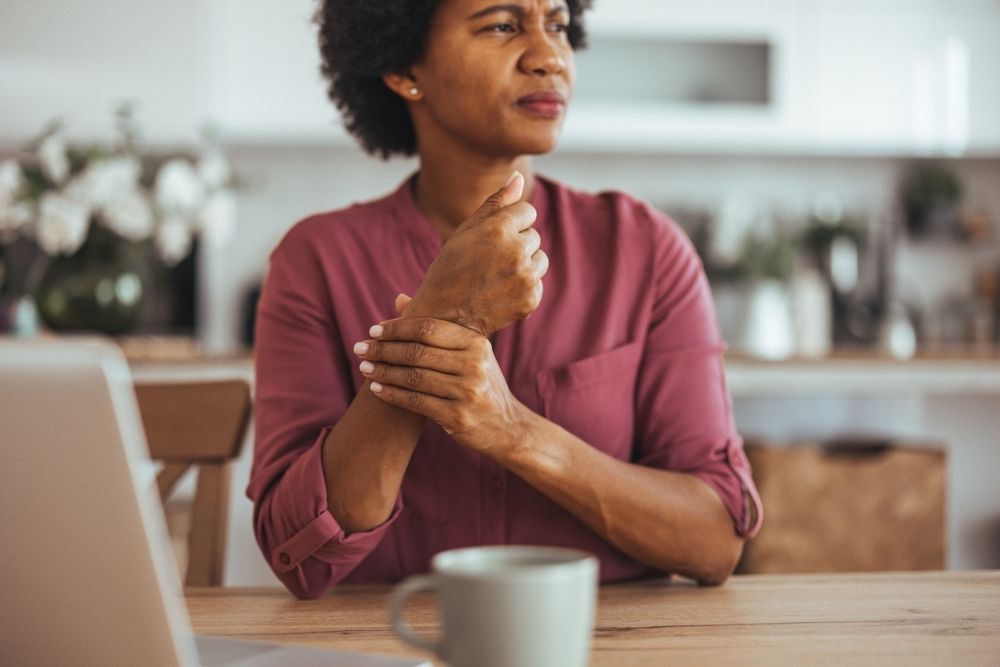
In early 2025, The New York Times ran an eye-opening story by Jennifer Kahn titled “Chronic Pain is a Hidden Epidemic. It’s Time for a Revolution.” Kahn spoke to a range of experts who are working on problems related to the treatment of chronic pain. Her piece had a personal side as well because Kahn herself struggles with chronic pain. As the article revealed, ongoing pain is a problem for many, many people. Its causes are often mysterious, and relief is often elusive.
For some people, opioids—drugs that can be effective at alleviating pain—are an important part of treating a pain condition. But sometimes, the relief opioids may provide can lead to new problems.
As bad as chronic pain is—and it is very bad, indeed—it can be made even worse if the person suffering from it develops a substance use disorder centered around the opioids that are prescribed to address the problem. And because those in ongoing pain can find it hard to think clearly or to make good decisions, it is important to be able to identify the signs that something might be going wrong.
In this post, we are going to examine the indicators that you might be developing a substance use disorder, and we are going to provide some tips for managing pain. That said, this post is not a substitute for chronic pain treatment. If you are struggling with pain that just will not go away, it is important to see your physician and start the search for possible solutions.
The Signs of a Substance Use Disorder
As we have noted, chronic pain can have an impact on your ability to make good decisions. The relief opioids provide can also lead to poor decision-making because reduced pain (as well as the feeling of euphoria opioids can sometimes provide) is such an amazing change that a person might be tempted to go to extremes to ensure ongoing access to the drugs.
There are a number of warning signs to be vigilant about if you are taking opioids for chronic pain. They include:
- Doctor shopping: The term ‘doctor shopping’ refers to the attempts to get prescriptions from more than one doctor or increased doses of current medications
- Mixing and matching: Some people are tempted to mix pain meds with illegal drugs or alcohol in an effort to increase the effects of the drugs.
- Backing away: Those developing a problem with opioids (or other drugs for that matter) might feel defensive or withdraw from friends and family to avoid talking about their substance use.
- Falling apart: A person who is developing a substance use disorder may undergo significant changes in personal hygiene habits or in mood and behavior.
If any of these warning signs pop up in your life as a result of misusing opioids, it is time to make a change. That change should involve getting yourself into treatment for a substance use disorder so that you can free yourself from opioid addiction.
Some Ideas for Managing Pain
We want to note here that opioids or other medications may be essential to the treatment of a person’s ongoing pain. In those cases, making an opioid agreement with your doctor can help ensure your recovery is not threatened. Such an agreement lays out how medication can be used safely. Agreements may involve committing to using only one pharmacy, allowing a family member to dispense medication, or regular drug testing.
In addition to medication, the tips below may help you manage pain.
- Eat with intention: A diet built around fresh fruits, leafy veggies, whole grains, fish, and olive oil might lessen pain while contributing to better overall health.
- Plug into the energy: Some evidence suggests alternative approaches like Reiki, qigong, acupressure, and acupuncture can provide relief from pain.
- Sleep seriously: Get serious about creating the proper conditions for rest by reducing caffeine intake and screen time, as well as sticking to a sleep schedule.
- Improve the environment: Less clutter, intentionally soothing design, and dedicated space for relaxation can lead to less pain.
- Move to the massage table: Getting a massage (or chiropractic care) can improve circulation, release tension, and increase mobility—all of which may make pain more manageable.
- Be mindful: Take gentle control of stress responses via meditation, mindfulness, yoga, guided imagery, and similar techniques to support pain management.
- Move and groove: Physical therapy, Pilates, tai chi, or even dance can have a positive impact on your pain as endorphins released during exercise can block your body’s pain signals.
- Meet with the gang: Turn to your family and friends for ongoing and much-needed support, because building up those emotional bonds can help you manage your pain over time.
The Farley Center Is Here to Help
If you are struggling with drugs or alcohol, it can seem as though you have no place to turn for help. Happily, however, that is not true.
At The Farley Center, located in Williamsburg, Virginia, we can help you overcome a substance use disorder, address co-occurring mental health disorders, and reclaim your life. When you are ready to make a change for the better, we are here to help make it possible.