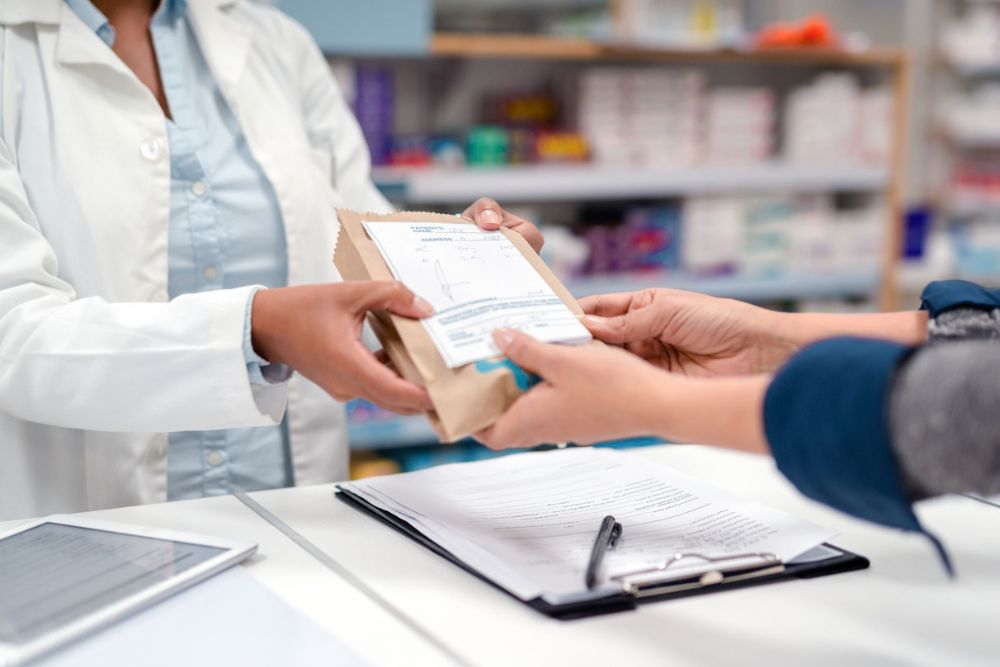
“I can’t be an addict. Those are people who use street drugs, and I’m not like them. All I use are medications I get off the shelf at the drug store.” Unfortunately, this person is incorrect. They can become addicted to some over-the-counter (OTC) drugs if they aren’t used as directed or used long-term.
What is an Addiction?
An addiction is a chronic, treatable disease where someone continues to use a substance despite its negative consequences. Some people can continue using OTC drugs like dextromethorphan regularly, and they won’t become addicted. However, the chances of becoming addicted increase the longer someone continues to use addictive drugs, whether they are obtained legally over the counter, by prescription, or illicitly.
A doctor or other healthcare professional makes the diagnosis of whether someone has a substance abuse disorder using the criteria listed in the Diagnostic and Statistical Manual of Mental Disorders, 5th Edition. This manual for describing mental health issues lists what clinicians are looking for when making a substance disorder diagnosis, including:
- Building up a tolerance over time so that the person needs larger doses to obtain the desired effect
- Experiences withdrawal symptoms when they try to cut back or stop taking their drug of choice
- Continuing to use the drug despite knowledge that an ongoing physical or psychological problem is caused by or being made worse by this action
- Experiencing personal or social problems related to drug use
- Neglecting work and family responsibilities to use drugs
- Using drugs over a longer time to obtain the same results
- Made repeated attempts to cut down or quit using, without success
- A significant amount of time is spent thinking about where to obtain drugs, using drugs, and then recovering from using drugs
- Physical and psychological consequences are experienced from their drug use activities
- Hobbies and family time are sacrificed to buy and use drugs
If someone answers “Yes” to two or more items on this list, they meet the criteria for a substance use disorder and should speak to a medical professional or an addictions counselor.
All Addictions are Created Equally
If a person becomes addicted to a drug, it doesn’t matter whether the substance is available over the counter, by prescription, or on the street. Their addiction doesn’t care. The person has a substance abuse disorder that needs treatment. There isn’t one addiction that is “better” than another.
Commonly-Abused OTC Drugs
The types of over-the-counter medications that are most commonly abused by the public include the following:
- Antihistamines
- Cold medications
- Cough syrups
- Herbal supplements
- Insomnia medications
Dextromethorphan Abuse and Addiction
Young people and those who already have a history of substance abuse are more likely to start abusing over-the-counter medications like dextromethorphan (DXM). This ingredient is commonly found in OTC cough medicines as a cough suppressant. It can be purchased as a liquid, pill, oral strip, or lozenge.
DXM is also found in other cold products like antihistamines, which may be available in a spray, pill, or capsule. It may also be sold with products containing acetaminophen (Tylenol), pseudoephedrine (a medication to control a runny nose), and expectorants (medications used to loosen phlegm when coughing).
At high doses, DXM can cause users to experience euphoria (an over-the-top sense of well-being) and hallucinations. Users have also reported out-of-body experiences (a
sensation that they are “floating” above their own bodies). The desire to repeat these experiences can lead to potential DXM abuse.
DXM Abuse Can Be Fatal. At doses high enough to lead to euphoria, etc., DXM can also be deadly. Someone who has taken a high dose of the drug can experience euphoria, hallucinations, and then slip into a coma. At this point, they may die without prompt medical attention.
In most cases, death occurs at high doses of DXM. In a few instances, a person will lapse into a coma at a small dose or even a standard dose of the drug. These people are unable to break down the medication the way a “normal” person does, which leads to medical complications.
Signs and Symptoms of DXM Abuse
How can you tell if someone is abusing DXM? Here are some signs to be aware of:
- They consistently use a higher dose of products containing DXM than what is stated on their packaging.
- They are using products containing DXM when they don’t have a cold to create a euphoric experience or hoping they will have a hallucination.
- They are mixing more than one OTC medication to discover their effects.
Symptoms of DXM Intoxication
A person who is high on DXM will appear as follows:
- If they have used a relatively small amount, they will look as though they are mildly inebriated. You may not immediately be aware they have used an OTC cold medication to get high unless they start complaining of a dry mouth or nose.
- The next stage of intoxication is where the person is inebriated and has slurred speech. At first glance, they may look as though they have a bit too much to drink. Again, look for someone who is complaining of a dry mouth or nose.
- In the third stage, the person will start hallucinating. Their vision will be impacted.
- If they reach the fourth stage of intoxication, they will reach an out-of-body experience.
- Someone high on DXM may appear dizzy and confused. They may be confused and disoriented, and complain of an upset stomach or nausea. The person may be vomiting and disoriented. Since you don’t know how much DXM they have taken, seek immediate medical attention for someone if you know or suspect they are under the influence of this drug.
Find Help for DXM Abuse and Addiction
DXM is a stimulant and acts in the same way as drugs like Adderall, methamphetamine, and cocaine. If a loved one is showing signs of abusing or being addicted to DXM, Farley Center can help. Our clients come to us with all types of drug addictions, and we make a point of meeting them where they are, in a caring, judgment-free atmosphere.
If a client is still using their drug of choice, their first step after being evaluated by our team is to spend time at our medically supervised detoxification (detox) center. Many people have heard horror stories about detox and are concerned about this process.
A medically supervised detox ensures that clients are kept as comfortable as possible. Our team monitors clients carefully, and medications are given as appropriate.
Once the detoxification is complete, the new client enters the rehabilitation phase of their treatment. During this phase, they receive individual and group counseling to get to the root cause of their addiction.
Sources: